My name is Sarah Vaughter, editor of the health & beauty site owndoc.com, partially devoted to dermaneedling. Over the past years, we have grown to be the largest independent vendor of dermarolling supplies. You can reach me at sarah@owndoc.com
Last year, I was asked to present a TV commercial for a certain brand of dermaroller. We prefer to remain independent and sell only products that are great value-for-money.
Owndoc has a no-nonsense approach to skin remodeling. No expensive stuff of dubious value. No fake before-and-after pictures. A rigorously scientific approach, with the lowest prices we can negotiate, off-factory. We're always striving to bring you a little more value for a little less.
We have a reputation for quality at rock bottom prices and unmatched customer service. That means that when you want a refund for any reason, you'll get it without discussion or delay - period. As an added free service, I answer your questions on the web's largest dermarolling forum.
Before buying anything, download my dermarolling instructions. These instructions are the most detailed and well-researched microneedling instructions available.

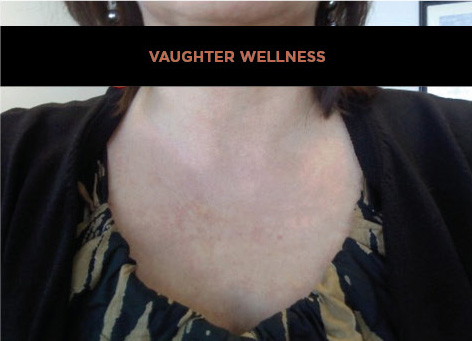
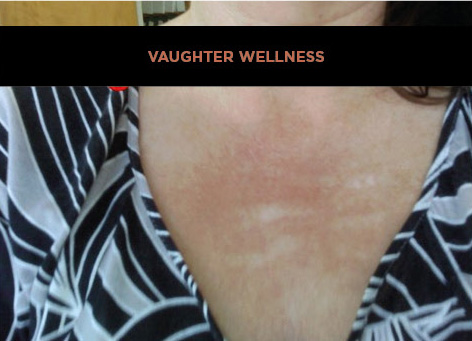
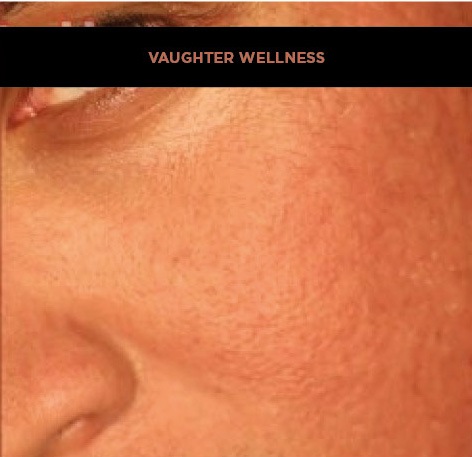
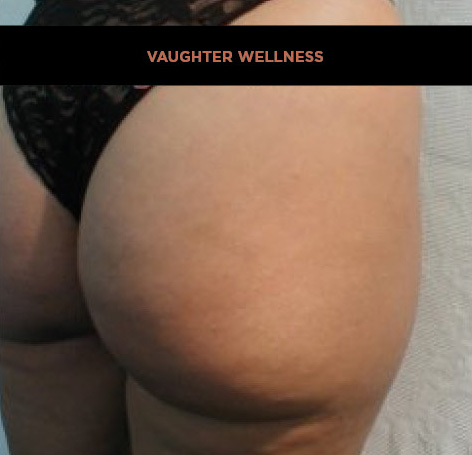
Before (Sep. 12, 2011) and after dermarolling (Jan 14, 2012). All photos with permission of the customer.
What can dermaneedling do for you? On the one hand, don't believe those more interested in your money than in skin improvement. Dermarolling can't augment breast size, completely remove cellulite or get rid of excessive skin after severe weight loss.
On the other hand, needling your skin can and will improve (acne) scars, hyper/hypo pigmentations, lost elasticity, wrinkles and cellulite. Often spectacularly so, if you have the patience to do it every month for a year.
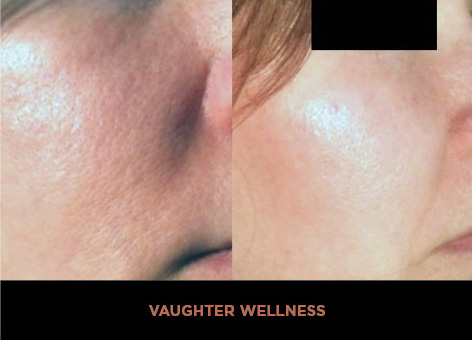
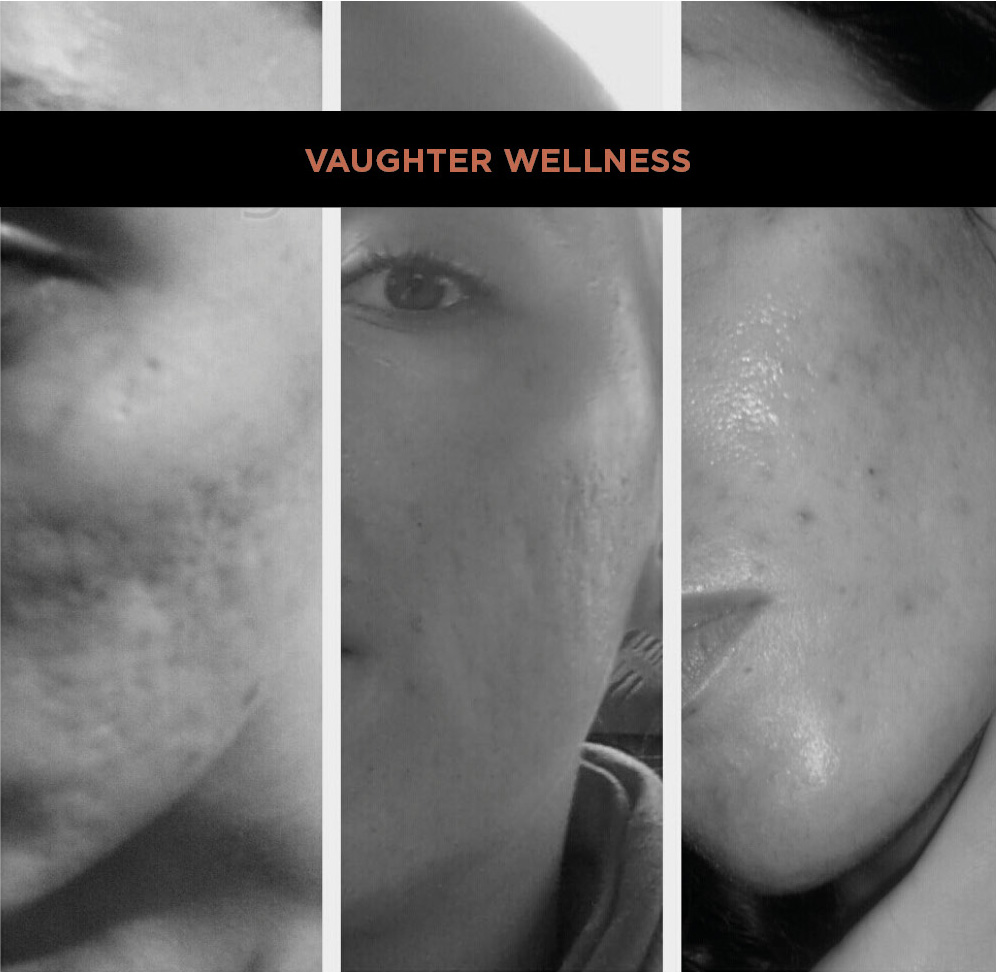
Don't take our word for it - look at our customers' results! No tiny, blurry, photoshopped pictures on our site. Our dermarolling before and after pictures are large, high-resolution photo's submitted by our own customers by email or on our forum, where you can talk to them and find out exactly what protocol they used to finally feel good about their skin.
Will it hurt? Yes! Isn't it wonderful that you can actually get rid of an ugly skin problem with less than $100 worth of goods, educating yourself, persistence and a little suffering?
---
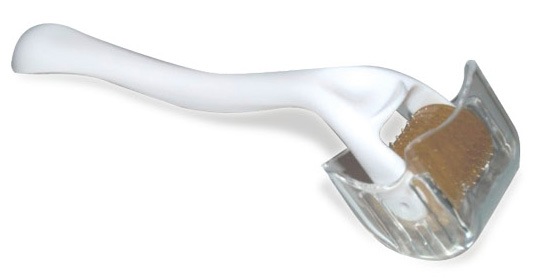
We regularly do a dermaroller review and sell the current test winner, a copy of the excellent Dr. Roller dermaroller, for $29,-. The needles are made of surgical steel and the roller comes gamma-sterilized and sterilely packaged:

This roller has become such a success that our new batch has our logo on it. Not all rollers sold have our logo yet.
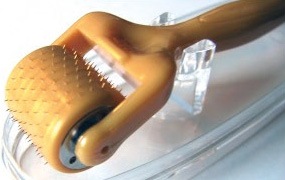
As you can see in this extreme magnification, the manufacturing quality of our OwnDoc "Dr. Roller clone" is excellent:

We sell the original Dr. Roller as well for $49,- but this roller is a solid alternative if you don't want to pay a premium. The choice is yours - we have both in our web store.
What to buy? You'll need something to prick your skin with. Either a single needle, a dermastamp, or a dermaroller. Dermarollers come in different needle lengths, depending on the skin problem you're attacking. They also come in different roller head widths, depending on the shape of the skin issue and on where that skin is located. You'll also need an occlusive vitamin ointment as after-care. Those two things are the only real essentials, but it would be wise to add vitamin C powder to your purchase for a fresh homemade serum, and Chloramine-T for the most effective sterilization of your dermaneedling instrument - both in terms of price and in terms of bacteria-killing ability.
If you want to start shopping you can do that at this stage, because all items in our web store have a detailed description of their recommended use. Just click on their photo. Don't get tempted into buying more than you need - a detailed overview of exactly what microneedling instrument fits which skin problem is provided further, below.
Which needle length for dermarolling?
SKIN CARE PRODUCTS PENETRATION ENHANCEMENT
- 0.2 mm dermaroller for the face or body.
- 0.5 mm dermaroller for the body, or if you have thick (male) skin or if used on thicker skin such as the buttocks or the back.
TREATING ACNE SCARS
- Single needles for intensive and targeted needling of all types of acne scars in combination with a 1.5 mm regular dermaroller.


- single needles if you have deep ice pick scars.
- 1.5 mm dermastamp if the acne scars are quite localized.
- 2 mm dermaroller if your scars did not improve with a 1.5 mm dermaroller.
LONG STRETCH MARKS, SURGICAL SCARS AND OTHER ATROPHIC OR HYPERTROPHIC SCARS

- 1.5 mm one-liner dermaroller for targeted intensive dermarolling in combination with 1.5 mm regular dermaroller.
- Single needles for manual intensive needling of individual stretch marks or scars – laborious but the most effective.
- 2 mm one-liner dermaroller (not for beginners) for targeted intensive dermarolling in combination with a regular dermaroller.
SMALL SCARS (VACCINATION, LIPOSUCTION ETC.)
- Single needles for intensive targeted needling.
- Alternatively a 1.5 mm dermastamp.
PIGMENTATIONS
- 0.25 mm, 0.5 mm or 1 mm dermaroller. For details, search our forum for hypopigmentation, hyperpigmentation or
melasma.
WRINKLES
- Single needles – single needling works extremely well for improving the wrinkles between the eyebrows ("11's") and the wrinkles on the forehead. For small wrinkles around the eyes, it is better to use a dermaroller.
- 1.5 mm three-liner (narrow) dermaroller – for easier maneuverability around the eyes and above the lip area.
- 1 mm dermaroller for shallow wrinkles.
- 1.5 mm dermaroller for deep wrinkles.
- 1.5 mm one-liner dermaroller for targeted intensive dermarolling of individual wrinkles. Also suitable for wrinkles above the lip.
- 2 mm one-liner dermaroller for targeted intensive dermarolling of individual wrinkles (not for beginners)
SAGGING SKIN
- 1.5 mm dermaroller.
- 2 mm dermaroller for localised deep acne scars.
- 2 mm dermaroller for those proficient in dermarolling or those with thick skin. Not to be used on thin skin such as the neck or the back of the hands if you have visible veins.
SUN-DAMAGED OR AGING SKIN
- 0.5 mm dermaroller. Too short to trigger collagen in the deep dermis but it effectively speeds up the skin's renewal.
- 1 mm dermaroller to trigger collagen production.
- 1.5 mm dermaroller to trigger collagen production.
THINNING HAIR
- 0.25 mm dermaroller for product penetration. Used with Minoxidil.
- 0.5 mm dermaroller used without Minoxidil to enhance the blood flow to the hair follicles.
BURN SCARS OR VERY WIDE STRETCH MARKS OR SCARS

- 2 mm three-liner (narrow) dermaroller for large areas.
- 1.5 mm dermastamp for small areas.
CELLULITE (microneedling has a limited effect on cellulite)
- 0.25 mm dermaroller for anti-cellulite creams' penetration enhancement.
- 1.5 mm dermaroller to thicken the skin.
You can't buy a Dermaroller™
The Swiss "Dermaroller S.a.r.l." holds a patent on the Dermaroller™, and they own the registered trademark. They only sell them (expensively) to doctors. Ordinary people can only buy "pirate copies" made in Asia, and not all work well. A high price is no guarantee for quality. And the cheapest ones are disposable types, intended for single use only, but the vendors hide that fact.
A cheap dermaroller with textile-grade needles is unusable and causes skin injuries due to bending needles - which go blunt quickly. Medical-grade steel is mandatory. As we found, some vendors falsely claim to use medical steel. A good roller is gamma-sterilized, withstands alcohol and hot water, has an ergonomical handle that does not bend under pressure and a good way of protecting the surgical-steel needles under storage. brand-independent as we are, we purchased over a dozen different dermarollers, tested them and now sell the test winner in our dermaroller shop. Read our dermaroller test for details. There are important factors in a dermaroller that are rarely mentioned, such as needle taper - important for easy skin penetration and long-term sharpness.
Isn't it dangerous to roll with 1.5 mm needles?
Not at all. With maximum pressure, the needles penetrate 1.3 mm and that is too shallow to be able to puncture all but cappilary veins (the occasional pin-point bleeding) or reach nerves. Sterilize the skin with disinfecting alcohol before dermarolling. After rolling you clean the roller with hot water and soap and soak it in disinfecting alcohol or Chloramine-T.
Is dermarolling painful?
It is, but acceptably so. The longer the needles the more it hurts. However, the first rolling is usually perceived more painful than further rollings. Also, when you roll, the first minutes are more painful and it gets better as you continue. It furthermore depends where you roll. I can roll anywhere on my face and body with a 1.5 mm or 2 mm dermaroller without a numbing cream with the exception of above and around the lips. I use a numbing cream there. Topical anesthetic creams are often available in the pharmacy without prescription. We sell Xylocaine numbing cream in our web store. The best solution for large skin areas is an ice pack or a small plastic bottle with ice. This works very well and has no side effects. (Do not hold the ice on the same spot too long, otherwise there is a small danger of frostbite).
Why vitamin C?
Vitamin C is essential for elastin and collagen formation and it is an excellent antioxidant. It will support your dermarolling results. Humans can't synthesize vit. C like most other mammals can - we get it from food.
To achieve high concentrations of this vitamin in the skin, you have to apply it directly to it. We offer 20 grams of pure, food-grade vit. C crystals to make a homemade vit. C serum.
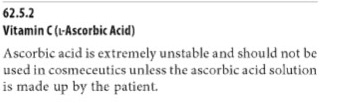
Vitamin C skin creams or serums need to be freshly prepared to be effective.
"Aesthetic Surgery of the Facial Mosaic" by Dimitrije E. Panifilov:
Why A-Ret gel for dermarolling pre-treatment?
Contains 0.05% Retinoic acid (Tretinoin). Recommended for dermarolling pre-treatment of aging or sun-damaged skin, stretch marks, scars, hyperpigmentations and skin that lost its elasticity.
Partially reverses sun damage and reduces wrinkles, helps unclogging pores and clean blackheads, controls acne, speeds up diminishing of post-acne and other pigmentations and evens skin tone.
Studies showed that Tretinoin improved the appearance of fresh stretch marks and to a lesser extent of old stretch marks.
A pea-sized amount of gel is enough for the entire face. Don't use more.
Dermarolling after-care: Why Infadolan ointment?
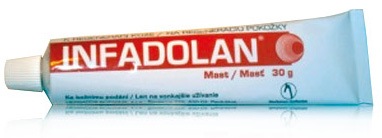
Infadolan is a medical grade, regenerative ointment with vit. A and D for optimal care and protection of the skin immediately after dermarolling. It increases the turnover and formation of new collagen, elastin and skin cells and acts as a skin growth hormone It contains a non-acidic form of vit. A
(Retinyl acetate) suitable for dermarolled skin.
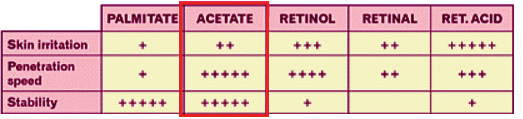
It does not contain alcohol, preservatives or other substances that are not appropriate for “open” (microneedled) skin. Contrary to Retinoic acid, Retinol acetate does not stress and irritate open skin. It is slowly converted by the body's enzymes into Retinoic acid.
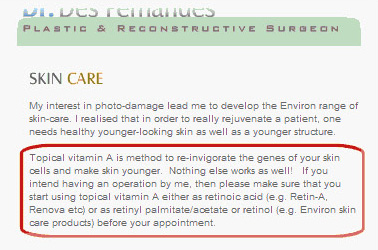
Dr. Des Fernandes, arguably the world's #1 microneedling expert and co-inventor of the dermaroller, has this graph on his website, concluding that Retinol acetate is overall the most stable, best penetrating and least irritating variant of vit. A (+ means "how much" so two + signs under "Skin irritation" is very good):
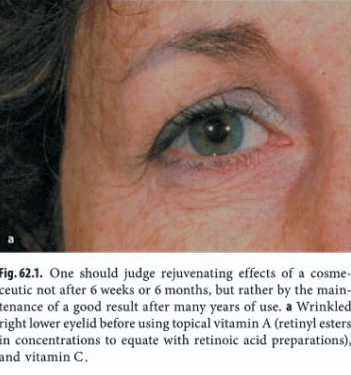
Clinical picture by Dr. Des Fernandes:

Vitamin D2 stimulates glycosaminoglycans and accelerates wound healing. It promotes re-epithelialization of the skin.
Research shows that skin regeneration is optimal under anaerobic, moist conditions, making Infadolan ointment an excellent choice. An ointment contains at least 80% oil - a more effective barrier against moisture loss and bacterial infection than a cream can provide. Our ointment is semi-occlusive (prevents loss of moisture) and contains non-allergenic Lanolin, which is an outstanding moisturizer. It's supplied in a tube so that it can't get contaminated by bacteria. Infadolan is
used in European burn-care centers.
Why the special single needle?
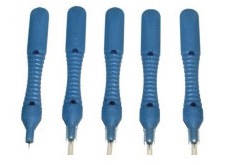
To get the best results with stretch marks, scars or individual wrinkles, you should go to a depth of approx. 2 mm, with more pricks per cm² than a 1.5 mm roller can achieve without turning the surrounding skin into mush. The only good solution is to use a single needle with 0.25 mm diameter and a long taper for easy, painless penetration. You literally crush the scar tissue. This technique is called "needle-abrasion". You only treat the scars, not the surrounding skin. Our needles are custom-made because ordinary tattoo needles have no "stop" on them and they have a too large diameter. The needle shaft is 15 cm / 6" long and thick enough to be held in the hand. The dermarolling results are excellent.
With elongated scars, you use a dermaroller with a single line of needles.

(Click to read article with enlargements)
Please read our dermarolling instructions thoroughly. We base our recommendations on scientific publications, email correspondence with dermatologists and the combined experience of our customers.
Email sarah@owndoc.com with questions about dermarolling.
(Our dermarolling forum usually will have the answer already.)
- Read our dermaroller test
- See our single-needle results
- Visit our dermarolling forum
- Read our dermarolling articles
- Read our dermarolling instructions
- Dermarolling before-and-after pictures
Do not roll the upper eyelid, wounds, active acne, moles, Rosacea, Psoriasis or rashes.
Read our instructions - they contain important guidelines.
© Vaughtеr Wеllnеss Our dispatch people can be reached for extremely |
1. MICRONEEDLING SAFETY RULES
2. DERMAROLLING FREQUENCY
3. HOW LONG DOES A DERMAROLLER LAST
4. MICRONEEDLING ANESTHETICS
5. TEMPORARY EFFECTS AND PERMANENT RESULTS OF MICRONEEDLING
6. DERMAROLLING / SINGLE NEEDLING PRE-CARE
7. DERMAROLLING INSTRUCTIONS
8. SINGLE NEEDLE FOR INDIVIDUAL SCARS AND WRINKLES
9. DERMAROLLING / SINGLE NEEDLING AFTER-CARE
10. HOW TO CLEAN THE DERMAROLLER AND DERMASTAMP
11. OTHER USES OF THE INFADOLAN OINTMENT
Always inspect the roller before every use (you can use a magnifier):
• The needles should be straight and of the same, correct length
• The needle tips should be sharp and unbent
• Do not share your roller with anyone! Do not roll your eyelids!
Do not use it on infected or diseased skin such as severe active acne, herpes, blood clotting problems, poor healing, eczema, psoriasis, fungal infection, wounds, moles etc.
You must disinfect your skin and your dermaroller every time you roll, except when rolling with needles shorter than 0.3 mm, in that case you don't have to disinfect the skin and you should at least thoroughly clean the roller - but better is to sterilize it.
Buy an alcohol-based disinfectant in the pharmacy for immediate skin disinfection. It
is usually a mixture with around 50 to 75% Ethanol, sometimes with other alcohols. Do not use an alcohol mixture with more than 30% 2-Propanol (Isopropanol) or it may damage the roller. Don't soak the roller overnight in alcohol mixtures containing more than 30% Isopropanol. Discard the alcohol you have soaked the roller in. Do not reuse it! You can also disinfect your skin with Betadine. Wipe the Betadine off before you roll. Instead of using alcohol, you can rinse the instrument in a 2% solution of Chloramine-T or soak it overnight in a 0.5% solution of Chloramine-T.
Do not store the roller close to possible sources of contamination. When a toilet is flushed, many micro-droplets get into the air. Keep the roller in a closed container.
A dermaroller can be used on all areas of skin, except for the eyelids. Be extra careful around the eyes. The skin around the eyes is very thin, so do not apply too much pressure. Read more on our forum about dermarolling around the eyes .
After the rolling with needles longer than 0.5 mm try to avoid the sun as much as you can for a day or two and use a sun screen lotion with high protective factor.
After rolling with 1.0 or longer needles, wait one day with applying makeup.
During pregnancy, do not use Infadolan or any other creams or ointments containing vit. A on extensive skin areas, after dermarolling.
When taking Accutane: You should wait with dermarolling and single-needling for at least six months after taking the last dose of Accutane. Then, always do a small test patch first to see how it heals.
• 0.2 or 0.25 mm long needles can be used every second day on the same skin area.
• 0.5 mm long needles can be used once or twice a week on the same skin area.
• 1 mm can be used every two weeks on the same skin area.
• 1.5 mm can only be used once every three to four weeks on the same skin area.
• 2.0 mm can only be used once every five weeks on the same skin area, and only if you have the knowledge to judge which part of the skin is thick enough to safely use this needle length.
These are general, conservative guidelines. Males generally have thicker skin and can roll a bit more frequently. Some parts of the body such as the back and buttocks have thicker skin than other areas, and there you can shorten the interval somewhat.
If you have various, large skin areas to roll, you can roll for example the arms on the first week of every month, the legs on the second week of every month, the stomach on the third week of every month, and the chest on the fourth week of every month.
3. HOW LONG DOES A DERMAROLLER LAST
The needles will become blunt after a certain time. Apart from needle quality, this depends on how often you roll, how large the rolled skin areas are, how many times you roll over the skin, how tough and thick your skin is and how strongly you push the needles in. A roller can be used many times and lasts quite a few months, but for serious work on larger areas of skin you'd have to count with around two rollers a year. Rollers with shorter needles that are used much more last shorter. This question is impossible to answer really, because male skin is thicker than female skin. On top of that, scar tissue is harder than ordinary skin, facial skin is soft and thin, etc. A very rough estimation for a 1.5 mm roller is two rollers per year. When you feel that the needles don't penetrate as easily as they did when the dermaroller was new, it's time to replace it.
If rolling is too painful for you, you can numb your skin. You have these options:
• Numb the area with ice-packs prior to needling. It greatly reduces pain. Keep ice packs clean by washing them with hot water and soap.
• Use a topical anesthetic such as Xylocaine cream or EMLA. Apply quite some cream,cover with plastic foil and leave it for 45 to 120 minutes. Wipe it off just before rolling. It will numb your skin for about 30 minutes. Use according to instructions.
Do not use topical anesthetics on large skin areas and never use a dermaroller on skin that still has numbing cream on it. Wipe the numbing cream off before dermarolling.
Rolling the face is generally more painful than rolling elsewhere. You can use a numbing cream and/or roll just a small portion of the face in one go. One day, roll just the forehead, another day just the cheek etc. It's best to roll smaller skin areas in
one go, but roll them thoroughly.
5. TEMPORARY EFFECTS AND PERMANENT RESULTS OF MICRONEEDLING
When using a dermaroller with needles longer than 1 mm, you may experience some pinpoint bleeding when rolling. This is normal and harmless. Clean the area with disinfecting alcohol. Apart from the occasional pinpoint bleeding, you will not bleed after rolling, neither will your face swell up for days. Some minor swelling and redness for a day or two could occur.
The rolled area will be red (like sunburn) for an hour or two.
The rolled area might start "peeling"a little after some days. Don't pick at the loose skin.
The full cycle of collagen production is a very slow, multistage process which can't be rushed. Don't expect quick miracles. It can take up to 10 months to get substantial results. It is essential to stick to the schedule and don't give up after a few rollings. Because progress will be slow but certain, make pictures of your skin before and during microneedling treatment and judge your progress from those.
It is not true that the more frequently you roll the better results you obtain. The skin has to be regenerated after each roll and the initially triggered new collagen will be eventually turned into even a different type of collagen. Good results often start to appear only after approximately ten months. After that, with every passing month, if you keep rolling, the results will improve. So if you want substantial, permanent results, you need to roll at least for about 15 to 20 months.
We received many emails saying that it took a long time to achieve improvement (of various skin conditions) but the improvement finally arrived after all. Some say they started to see significant improvement only after one and half year or even two years of dermarolling and/or microneedling. Some of them say they wanted to give up after one year but decided not to and it was worth it. Do not give up too soon! Other customers got results after only a couple of months and they used the same size roller or single needle, the same frequency of rolling or needling and the same products as those who had to roll for over a year to see improvement. How quickly results become visible depends on the individual.
6. DERMAROLLING / SINGLE NEEDLING PRE-CARE
Buy a medium hard brush. You can also use a new toothbrush (including an electric one) if your areas are not large. Do not wet the brush or the skin. Dry-brush the skin to make the skin easier to roll, to increase the penetrability of the skin to skin care products and to increase blood flow.
Dry brushing by itself brings some improvement to certain scars and stretch marks and makes the skin very smooth and glowing.
Two to four weeks before starting a dermarolling session, dry-brush the skin two or three times a week until it gets red. Do not brush the breasts or face too hard! Don't brush around the eyes.
For optimal absorption, apply vit. C serum (preparation instructions below) immediately after brushing. It may prick a little because it is acidic, but it should not burn. If it burns too much, add more water to your vit. C serum or apply it later after dry brushing.
After brushing, wash the brush with dish-washing liquid in near-boiling water or put it in the dishwasher. Store the brush in a place where it can dry quickly.
If your facial skin is sensitive, do not dry brush. Instead, exfoliate your face or body in the shower with a fine salt (mixed with soap or almond oil if you wish). If the salt is irritating or rough on your skin, use baking soda or ground coffee.
Pre-care with vitamin A (Tretinoin, Retinoic Acid, A-Ret)
Retinoic acid repairs photo-damaged skin, improves fine lines and wrinkles, unclogs pores and black heads, controls acne, helps eliminating acne spots and evens out skin coloration. It improves the appearance of fresh stretch marks and to a lesser extent of old stretch marks. For most conditions, the effects of A-Ret/Retin-A will only appear after several months of use.
It is excellent for dermarolling pre-treatment of face, scars, stretch marks, skin with lost elasticity and unwanted pigmentation. Do not apply immediately after dermarolling, because this acid form of vitamin A will sting. Wait at least until the day after. Infadolan contains a non-acidic form of vitamin A, delivered as an occlusive ointment, especially recommended for microneedling use.
Pre-care is done with Retinoic acid (A-Ret cream) and post-care is done with Retinol acetate (Infadolan ointment).
Only a pea-size amount of gel should be used to spread on the entire face. Using more may cause irritation and redness. Make sure the skin is dry before application.
Since Tretinoin is sun sensitive, apply before bedtime and use a high factor sun screen over the next days.
Daily application is not necessary. Applying every second or third day is sufficient.
Tretinoin will likely make your skin peel. To avoid peeling of your fingers, wash your hands after applying the gel.
If skin redness, irritation or excessive peeling occurs, decrease the frequency of application and the amount of the applied gel.
If used for acne the condition may worsen at first and improvement comes later.
Keep the skin moisturized. Vit. A is fat-soluble and can be applied together with other creams.
Do not apply if you are pregnant, lactating or planning a pregnancy.
Vitamin C treatment:
Vitamin A and C are essential for collagen production and sun damage prevention and reversal. However you can't obtain high skin concentrations of vitamin C by taking it orally, this is why you need to apply it to the skin directly.
However, additional oral intake of vit. C is highly recommended. The oral vit. C can be made much less acidic whilst retaining its beneficial properties by mixing it with baking soda (Sodium bicarbonate). But the skin serum has to be acidic (low pH) to be absorbed, so don't mix it with baking soda or use so-called "buffered" vitamin C!
Pre-treat your skin with vit. C four days before rolling/needling to achieve maximum skin concentration.
To make your own vit. C serum - which is extremely beneficial to the skin, you need:
• Water.
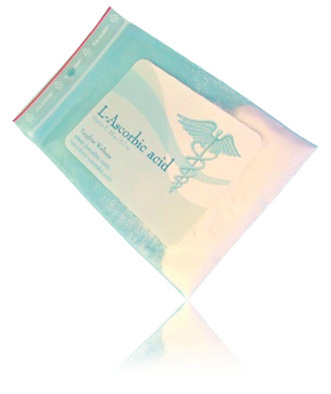
• L-Ascorbic acid (powdered crystals of vitamin C) can be bought very cheaply in our web store. Postage is very low as well because it's sent as an ordinary letter. Do NOT use vit. C tablets of any kind. Only 100% pure crystals of L-Ascorbic acid should be used.
• A sealable container. It really must be possible to close it off air-tight because vitamin C oxidizes easily. It is degraded by air, light and heat. That’s why you should keep it in the fridge where it is cold and dark. We sell small brown glass flasks, perfect to keep vit. C serum fresh.
HOW TO MAKE A 5% VITAMIN C SOLUTION:
Put nineteen teaspoons of very hot water into the container and add one flat teaspoon of vitamin C. With "flat" it is meant that the vit. C should not be heaped onto the spoon but lying flat, just like the water in the teaspoon. If you wish to prepare a larger quantity, add another 19 teaspoons of water and 1 flat spoon of vitamin C. Alternatively, you can use table spoons instead of teaspoons, or any other method to reliable add one part of vit. C to 19 parts of water. Stir or shake for the crystals to be dissolved. The warmer the water, the faster this goes. This 5% vit. C solution still has the consistency of water and tastes slightly acidic. There is no need to worry that the hot water will degrade the vitamin C. Vitamin C is degraded by food enzymes at at lukewarm temperature ranges, and regardless, the water will cool off while you spoon it into the container. It is best to use very hot water, because the warmer the water has been heated, the less dissolved oxygen it contains and oxygen degrades vit. C much more than hot water does. Vitamin C dissolves poorly in cold water.
Applying vit. C every second or third day is sufficient. Vitamin C remains in the skin for several days, gradually diminishing in concentration. Vitamin C is not fat-soluble so before you apply it you must remove oils from your skin, otherwise the vit. C will not be able to penetrate your skin through the oily layer.
Apply vit. C in the evening since it is sensitive to sunlight.
Use your hand or a cotton pad to apply it and wash it off the next morning.
• Recommendation: Wash your skin with oil-free cleanser or soap, apply vit. C serum,
wait for half an hour or so and then apply the Infadolan ointment.
• Prepare small quantities of vit. C serum at a time, to ensure it is always fresh and un-oxidized. You should make a new batch approximately once every 20 days.
• If the vit. C serum is too irritating to your skin, add more water. If your skin shows no irritation you can add more vit. C powder to your container.
7. DERMAROLLING INSTRUCTIONS
• Wipe the rolling environment (table etc) with alcohol.
• To soften the skin to make it easier for the needles to penetrate and preserve needle sharpness the longest, have a hot bath or long hot shower just before rolling. You can also just steam your face when only rolling the face.
• Wash the to-be-rolled area with soap.
• Wipe the skin and your hands with disinfecting alcohol or Betadine. Alcohol will evaporate in a few minutes. You do not have to disinfect the skin with alcohol if you roll with needles shorter than 0.5 mm, but clean the skin before you roll.
• If you like, apply an ice-pack or numbing cream. Remove the numbing cream with alcohol before rolling. When you use ice-packs, clean them with alcohol before applying.
• When rolling, stretch the skin by pulling it with your other hand - it will make needle penetration much easier.
• Roll in a star pattern: about eight times horizontally, 8 times vertically, 8 times diagonally. Roll the dermaroller around eight times in each direction. Back and forth equals two rolls. Use medium pressure. Do not roll closer to the eye than on the periorbital bone, the bone around the eye socket.

• Try to spread the pricks evenly. You could first only roll the entire skin area horizontally, when you've covered all skin that you want to treat, you roll vertically, and finally diagonally (across). Use whatever technique you are comfortable with, as long as it spreads the pricks more or less evenly. Lift the dermaroller slightly after each forward movement (“roll”). This ensures that you will not hit the same prick .
• Without touching the needles, wash the roller in hot water and dish-washing liquid, rinse it, and then soak it for at least 20 minutes in disinfecting alcohol. The alcohol should at least cover the needles. The needles won't damage if you put them gently in a glass. Air dry the roller on a clean towel or -surface, when totally dry put it back into its container.
DERMASTAMP
Stamp the same scar 6-8 times. You should get about 250 pricks per cm2. Or 1500 pricks per square inch. Our dermastamp has 35 needles. If you heal well, you can stamp slightly more densely the next time, especially if you have seriously deep scars. You have to experiment.
ONE- LINER DERMAROLLER
Roll back and forth or roll one direction only if you prefer. Lift the roller after each roll to ensure you do not hit the same channels but new ones each time. Roll just the scars. It is not a problem if you hit the surrounding skin while rolling the scars but you should actively target the scars. The skin should get very red. The skin might swell and you may get pinpoint bleeding. The skin should end up looking more or less like one of the three examples on the photo in our instructions that shows the skin after single needling. On thin or sensitive skin, you achieve this with just a few rolls back and forth. On thick, tough skin it will take many rolls.
That is why it is impossible to say in general how many rolls back and forth are optimal. Start with just a few rolls back and forth. If it heals OK, do more the next time. If you apply A-Ret right after rolling ( recommended with stubborn scars and stretch marks or wrinkles) your skin will get even more red and it will sting. It may stay red for to several days.
8. SINGLE NEEDLE FOR INDIVIDUAL SCARS AND WRINKLES
This chapter is only applicable if you are using our separate single needle for intensive treatment of individual acne scars, stretchmarks, surgical and other scars or wrinkles. We supply a hand-held needle with a diameter of 0.25 mm and a very long taper. Larger diameter needles can cause scarring. These needles are made for us on special order. This way, you can locally get deeper than a 1.5 mm roller can reach, make a high number of pricks per surface area, prick from different angles and successfully "break" (needle-abrade) the hardened scar tissue and/or induce lots of new collagen to gradually fill the scar or the wrinkle. Needling the skin will induce new collagen.
You can re-use the needle. When the needle gets blunt or if it shows any signs of being worn out, you should replace it. To disinfect it, wash it with warm (not boiling hot, it will blunt the needle) water and soap and put it horizontally in disinfecting alcohol for 20 minutes after every use. Take care not to bend or blunt the needle. Keep it in a clean, dry container and never share the needle with anyone. Do not use fire to sterilize the needle - it will get blunt and unusable. The needle is sterile when unopened.
SINGLE NEEDLING INSTRUCTIONS:
Dense needling for stretchmarks and scars
You need many more pricks than with acne scars, depending on how wide and long the scar is. The idea is to get many more pricks in, per surface area, than a dermaroller can - and also deeper. The purpose is to break old scar tissue and remove damaged collagen. This dense needling is called "needle abrasion".
Don't forget to needle the edges of the scar - go a little outside of the borders of the scar.
You can try to needle-abrade even raised scars but do a test first because the results with raised scars are more unpredictable. This technique should only be used on already scarred skin, and then the effect will be beneficial. It is a slow process but you can work on your scars whenever you have the time.
Make very many pricks per square cm / inch - just be sure not to prick the same skin more than once a month. It should not take more than a twenty seconds per centimeter or a minute per inch (of stretch mark/scar) when you're proficient. Don't forget to stretch the skin!
After a while you'll be able to do it quite quickly. Never "needle" keloid scars!
• Sparse needling: Acne / chickenpox scars or individual wrinkles.
• Make 10 to 20 pricks into the scar/wrinkle with the needle, depending on the size of the scar/wrinkle even more. The pricks should be each in a slightly different place in the scar/wrinkle, and be made under different angles. The approximate pricking depth should be 2 mm.
You may see pinpoint bleeding and it will hurt. If you stretch the skin with your other hand, it will make needle penetration easier. Use a numbing cream or an ice pack to numb the skin. Repeat the procedure every month. Do not use too many pricks per cm².
• The principle behind this needling procedure is to induce new collagen to fill the scar. Do not use a needle on active (infected) acne!
• Pre-treat the skin as explained in Chapter 6.
• Once a month, roll the entire skin area (scars plus surrounding skin) with a 1.5 mm dermaroller to stimulate the surrounding tissue.
• Some people have a very rare condition that causes even tiny skin injuries to heal in the form of a scar. You should first test on one single scar only and see how it heals. The healing time varies per individual and depends on the skin type- and area, it can vary between five and ten days. If it heals well you can do the rest of the scars or wrinkles and be rougher with them with the needle.
• If your test needling heals well, you can start thoroughly pricking several scars or wrinkles a day. The pricks should be rather dense and between 1 and 2 mm deep. Be much more gentle on sensitive areas with thin skin such as the breasts. Wherever you prick always start off gently, if it heals well you can start being more vigorous.
• Always disinfect the skin with alcohol, Betadine or a 2% solution of Chloramine T.
• When you use a single needle, stretch the skin by pulling it with your other hand. This will make needle penetration much easier.
• Do not single-needle the same stretchmark, scar or wrinkle more than once a month. If you prick the skin quite densely and vigorously, do it only once every six to eight weeks.
• You can safely use numbing creams such as EMLA or Xylocaine on such a small skin area.
• Do not go deeper than occasional pinpoint bleeding. Some people get pinpoint bleeding at a depth of 1 mm. Others at 2 mm. Wipe it off with a tissue with some alcohol. After a while you'll get the hang of it. If you wish to make the needle shorter, use the "toothpick trick" described on our forum here.
• Be patient - we got very good results doing this manual technique with a single needle but it took many months. Do not expect that your stretchmarks, scars or wrinkles will fully disappear. They will not disappear but they will become much less visible. Be patient and persevere! A dermaroller can't do this because it would make too many pricks in the "good" surrounding skin, damaging it.
• The scar might start peeling - don't pick at it.
• Do not use a tattoo machine – with about 100 strokes per second it goes way too fast and can't be down-regulated to the speed we need. A tattoo machine can easily make the scar worse. Plastic surgeon Dr. Des Fernandez, inventor of the dermaroller, said:
“However, we have to realize that if one did the deeper needling at the density of a tattoo, then the skin would be scarificed, and sure one would get a lot of collagen (in the form of scar tissue) and not a restoration of the complex elastin and collagen network which we aim to achieve with needling. However, deeper scars need greater penetration with the needle… …Even if the extra needling is done by hand with a single needle, this is well worthwhile doing”.
• Do not use an ordinary tattoo needle. Their diameter is 0.35 mm, which is too large and causes more scar tissue to appear. Do not use any other needle that is not suitable, as explained here. Using a single needle is a laborious process but you can do it bit by bit, whenever you have some time left.
This is an enlarged example of single-needling the skin. Normal skin, no stretchmarks - this is just an example of how the skin will look like afterward:

The three rows have been pricked with increasing vigor, density and depth. Some swelling afterward is to be expected. You should prick your scars as least as much as in the top example and no more than in the bottom example.
When you finish pricking all your scars, repeat the entire procedure again and again until you are happy with your results. Use your dermaroller regularly on the whole area (scars and surrounding skin).
In case of white scars or stretch marks, when you will have pricked all your scars at least twice and they have healed, you can gradually expose the scars to the sun. If you're lucky, they might get a bit tanned due to newly formed melanocytes and revascularisation induced by needling.
9. DERMAROLLING / SINGLE NEEDLE AFTER-CARE
After rolling, shower the micro-needled skin (not a bath due to risk of infection) and gently wash the rolled skin with water only, no soap. Use lukewarm water - not too hot. Do not dry with a towel, air dry only - again to prevent infection.
When the skin has dried, apply a very small amount of Infadolan ointment into the rolled area and continue applying for at least 14 days. (If you use it on your face and you are very prone to acne, use it only for a couple of days). The skin should be made slightly oily, no need to make it too greasy. Infadolan contains Retinyl Acetate (vit. A) and Ergocalciferol (vit. D2) in a special (oil-based, non-alcohol) formulation. These are both very beneficial for the formation of healthy new skin, especially for collagen and elastin formation. Infadolan speeds up skin turnover. Keep the Infadolan tube closed when not used, to prevent air or microbes getting in. Because it is not a cream but an ointment of which the base doesn't get absorbed, much less is needed.
From our experience the best results with stretch marks and surgical scars were achieved when keeping the pricked scars occluded with an oily ointment such as Infadolan. Read more about why we chose this ointment. To avoid your clothes getting greasy from the ointment, you can put a plain white paper napkin, handkerchief or towelette on the area and put your clothes over it.
Apply your home-made vitamin C serum (explained in chapter 5) daily for at least a few days before rolling, do not apply immediately after rolling but restart applying vit. C serum the next day after rolling. Vit. C is water-soluble and any oils will prevent its penetration into the skin. Therefore you should gently remove any creams (including the Infadolan) from your skin with an oil-free cleanser, then apply vit. C serum and about half an hour later apply Infadolan. Use very little Infadolan, no need to get a greasy skin. Slightly oily is enough because the oil base does not get absorbed (the vitamins in it however do).
Do not expose the skin to excessive levels of UV light at least one week before, and two weeks after dermarolling with needles from 1.0 mm onwards or single-needling. This includes sunbathing and using a solarium.
10. HOW TO CLEAN DERMAROLLER AND DERMASTAMP
Dermarollers with shorter needles than 0.3 mm
After each use, soak the dermaroller for ten minutes in a mixture of warm water and a couple of drops of dish-washing liquid. Rinse under hot water and air-dry. At least once every ten days or every five uses, soak it overnight in disinfecting alcohol or a 0.5% solution of Chloramine-T. Do not use a dishwasher or boiling water.
Dermarollers/dermastamps with needles of 0.3 mm or longer
Wash the dermaroller in warm water and a couple of drops of dishwashing liquid, taking great care not to touch the needles. You can move it vigorously in a clean bucket with hot soap water, for example, but take care not to damage the needles. Do not use a dishwasher or boiling water. This washing merely cleans the roller, it does not disinfect it. So then you need to soak it in disinfecting alcohol (containing a
total of at least 45% alcohols) for at least 20 minutes. Use Ethanol, not methylated spirit. Disinfection alcohols containing Isopropanol (2- Propanol) can be used to sterilize the roller - however do not use Isopropanol concentrations greater than 30% or it may damage the roller. Never re-use the alcohol. Air-dry the roller and put it back into its container. Keep the container clean with hot water but do not use any cloth or sponge to clean it since those are full of bacteria. Instead of using alcohol, you can use a 0.5% solution of Chloramine-T but in that case you should soak overnight (8 hours). Rinse the roller afterwards in preferably demineralized water. Air-dry. Read our section on dermarolling side effects.
11. OTHER USES OF THE INFADOLAN OINTMENT
The difference between an ointment and a cream is that an ointment contains neither water nor (Stearyl) alcohol. This makes an ointment very greasy, and the skin does not absorb it - only the medicinals in the ointment. Neither does it evaporate. The good side of this is that you need very little ointment, so the tube will last long. The bad side is that your skin will be a little oily until you wash it off. Just use a very small amount, much less than you would use with a cream.
Infadolan can be used for more than dermarolling: It is suitable to treat abrasions, cuts, excellent for dry skin anywhere on the body, callous skin, back of hands protection, first-degree burns, dermatitis and prevention of diaper rash. It can be used on babies as well. Infadolan should not get into your eyes.
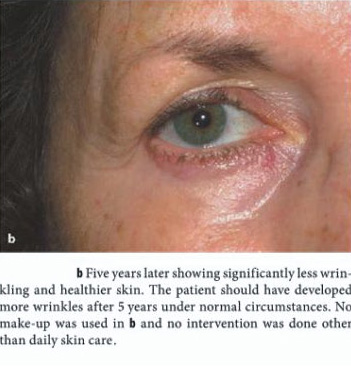
Several customers reported that Infadolan greatly diminished the wrinkles around their eyes.
© Vaughtеr Wеllnеss
Medical Disclaimer
The US government says that the only method of curing a disease is a medical doctor prescribing a pharmaceutical drug. Since we are not medical doctors, we can not diagnose, treat, prevent or cure disease. The information presented here has not been approved by the FDA and is for educational purposes only. Always consult with your doctor for diagnosis and treatment.